Role of education and culture in rural development |
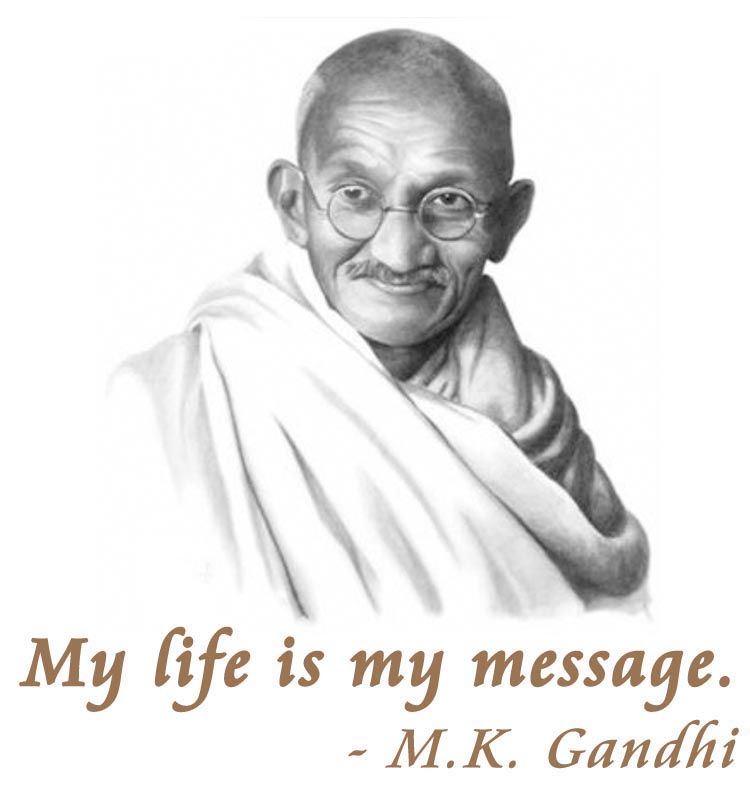
Dr. S. V. Prabhath, Chairman, NCRIIndian culture is one of most vibrant cultures in the world and rural culture forms its backbone. Some people tend to pitch urban and rural culture in a hierarchical form. This is incorrect. The urban culture may be functional to an industrial context. So is the rural culture to the context of rural development. Thankfully, a good proportion of India's population lives in the rural areas; which means that urbanization hasn't yet consumed its souls i.e. rural India, despite some signs of the disconcerting air of their urban brethren rubbing on to the rural populace. Admittedly, technology is rapidly changing our life styles, and one has to factor in the in the impact of this change on rural India as well. Although, the windfalls of applying appropriate technology in the rural areas, especially in agriculture and allied fields, are heartening, total submission to modernization is not desirable and has to be avoided at any cost. This can be done right from the formative years of children, when they have just begun acquiring knowledge. Culture, Commerce and DevelopmentIt is commonly believed, in development circles, that social and cultural in rural India has been slow. Well, conversely, it can be argued that this resistance to completely succumb to this technological change by rural India is what has preserved our identity and held us together. to pursue a culture-sensitive approach to development, there is a need to better understand cultural diversity and how it affects/ marks on the process of development. If one looks back into the pages of our history, one would find that, invariably, culture has been the platform for all socio-economic development. Our traditional practices, derived from scores of cultures which are traditionally distinct yet significantly transcending, have been central tour economic growth, as indeed that of our civilization. The (traditional) practices provide a stimulus to trade and commerce, which in turn patronize culture. Hundreds of festivals, fairs, melas and other cultural events, month after month and year after year, in a sort of logical sequence, present a myriad range of avenues for trade and commerce. The cyclic and cascading effect of the above process is the reason behind the development and prosperity of many a culture rich civilization. Culture and Education - the inseparable twinsHaving looked at how culture has provided the necessary impetus to the economy through the ages, let us now see the implications of education on culture and , consequently, on the rural sector. Dr. Sarvepalli Radhakrishnan said, "The aim of education is no the acquisition of information, although important, or acquisition of technical skills, though essential in modern society, but the development of that bent of mind, that attitude of reason, that spirit of democracy which will make us responsible citizens." Indeed, a comprehensive education system would help shape the younger generation into one that has a sound ethical base and a strong sense of social responsibility. Culture and education are inseparable and yet complementary with multiple points of interaction. Culture paves the way for education while education is responsible for flavoring the cultural values in life. Therefore, both have to be interwoven in various ways. A sense of pride in our culture has to manifest itself through all the stages of an individual's growth. Primary education is where it all starts and the child begins to respect the importance of a value based life as s/he and he sees things and events happening, and the behavior of others, around. All these collectively, form the personality that develops in the process. Therefore, it is necessary to inculcate the importance of education and value based living for a truly sustainable development of the rural sector. The maxims of Gandhiji, Tagore, Vinoba Bhave and many other social activists, bordering one equitable living, rural empowerment, voluntary rural reconstruction and transformation, and sustained rural development, have to be made as the central themes of the education system. Education founded on strong cultural values will help students understand and acknowledge the significance of culture in the development context. Education devoid of culture will only serve as a flight to obscurity. When one uses the phase 'education rooted in culture'. what it means is that if education has to serve as and engine for development, especially in the rural areas, then it has to extract the best out of our values that have stood the test of time in the face of adversities ranging from tyranny to colonialism/ imperialism or other turbulences and propel ourselves onto the path of inclusive development. Obviously the development of a nation hinges on how much its rural segment has been mobilized to contribute to the over-all growth. While material growth is evident amongst many nations, the cultural dividend is grossly missing. Some cultures has been lost to reconstruct their history, picking up bits and pieces of their cultural heritage whatever little can be traced in order to revive some of their cultures. So, as we can see, although there is rural development, the cultural pedigree is often missing. Fortunately, we in India, haven't yet fallen prey to the machinations of technological advancement leading to the depletion of our cultural base. But, if we do not pause and take stock of things now, and initiate necessary action, we will join the company of others who lost their cultural roots. Cultures, as a matter of fact, keep adjusting to the times without losing much of their original flavor. Take for example, the festival of Deepavali (Diwali, as it is also known ) was long celebrated by lighting the traditional 'Diyas' (Lamps), symbolic of the victory of good over evil. But, the advent and impact of science, and the resultant innovations over time-especially during the twentieth (20th) century has been immense and we now see the same festival being celebrating by firing crackers (eye catching, multi-variety)' preceded however, by the tradition of lighting the lamps without fail! We can have quite a few examples of tradition being kept alive as a parallel to the process of modernization. What all this hints at is that development must be a result of the synergy between education and culture. As has been already pointed earlier, while the western-culture has almost over-shadowed our cultural practices across the entire metropolis, cities and towns, a value based system still appears to be breathing in rural India and it's hinterlands. This needs to be preserved, nurtured and propagated. And, to be able to do that, all efforts must be put in to ensure that villagers, tribal people and aboriginals stay in the rural areas, which will only be possible if we are able to bring to them what they seek from the urban areas: access to proper education (primary, secondary and higher), training and support, and employment and income-generation opportunities on par with their urban counterparts. Source: Ailaan, NCRI Newsletter, Vol. II, Issue IV, April 2011 |